"This is the Charity of God, That We Keep His Commandments"
by
Thomas A. Droleskey
Whosoever believeth that Jesus is the Christ, is born of God. And every one that loveth him who begot, loveth him also who is born of him. In this we know that we love the children of God: when we love God, and keep his commandments. For this is the charity of God, that we keep his commandments: and his commandments are not heavy. (1 John 5: 1-3)
The Second Person of the Blessed Trinity made Man in Our Lady's virginal and immaculate womb, Our Blessed Lord and Saviour Jesus Christ, entered into His Passion so as to redeem us on the wood of the Holy Cross. His death on the Holy Cross made it possible for us to have the fullness of God's very inner life in our souls in this vale of tears as a prerequisite for eternal blessedness in Heaven. His death on the Holy Cross made it possible for us to live as men liberated from the shackles of laws and precepts of the Mosaic Covenant, thus affording us the chance to follow Him freely to the Father in Spirit and Truth as members of the Catholic Church in states of sanctifying grace. The graces won for us by the shedding of every single drop of Our Lord's Most Precious Blood on the wood of the Holy Cross on Good Friday enlighten our intellects to know God as He has revealed Himself exclusively through the Catholic Church and strengthens our wills to love Him as He has revealed Himself through His true Church.
To love God we must know and then keep His Commandments. All talk of the "God's love" and the "love of God" is so much empty sentimentality if we do not understand the plain truth written by Saint John the Evangelist in his first Epistle, quoted above, about the constituent elements of God's love. God's love for us is an act of His Divine Will. He loves us because we have a rational and immortal soul created in His very image and likeness. His will for each of us is to be sharers with Him in eternal life in Heaven by following Him through His Catholic Church to the point of our dying breaths. In other words, God wills that each man save his soul as a Catholic. That is God's love for us. Whether any man saves his soul is up for him to choose as he does or does not cooperate with the graces won for him on Calvary by the God-Man and as he relies upon Our Lady, the Mediatrix of all graces, to help him to do so. God's will, though, for each man is the same: salvation through the Catholic Church.
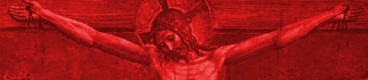
We show forth our love for God by keeping His Commandments after we have learned them as they have been entrusted to and explicated by the Catholic Church. As I noted in Whose Commandments two years ago, Protestants cannot understand the Ten Commandments fully as they do not have the fullness of Divine Revelation. They reject the infallible teaching authority of the Church from which they broke away, the Church that Our Lord founded upon the Rock of Peter, the Pope. Most Protestants even enumerate the Tenth Commandments differently, separating the First Commandment in two and combining the Ninth and the Tenth. Thus, it not some generic public display of the Ten Commandments we desire as Catholic. We desire the display of the Crucifix, upon which hung the Divine Lawgiver Whose Catholic Church alone is the repository and sole teacher of the Ten Commandments, which we must keep in cooperation with sanctifying grace.
The First Commandment reads:
I Am the Lord Thy God; thou shalt not have strange gods before Me.
We are to love God with our whole heart, mind, body, soul, and strength. We are to love God as He has revealed Himself through His true Church more than we love ourselves, more than we love our parents, more than we love our children, more than we love our nation, more than we love any created thing or place. We are to love others as God loves them, that is, to will their salvation. We love no one authentically if we do or anything, either by omission or commission, which interferes with their salvation as Catholics in any way, shape or form. We are to love our nation to will for it what God wants for it: her Catholicization, the subordination of every aspect of her popular culture and law and governance to the Social Reign of Christ the King and Mary our Immaculate Queen.
The first way that we show forth our love for God is to worship Him in the Holy Sacrifice of the Mass, especially in the form of worship that He himself taught the Apostles to offer before He Ascended to the Father's right hand in glory, that is, the Immemorial Mass of Tradition. The Mass is the perfect prayer. The Mass of Tradition the most perfect and beautiful form of that perfect prayer. It is the unbloody re-presentation of Our Lord's Sacrifice to the Father in Spirit and in Truth. Nothing is more important than showing forth our love for the Blessed Trinity through the Holy Sacrifice of the Mass. The efforts, sometimes strenuous in this era of Modernism and apostasy, that we make to get ourselves to the Mass of Tradition on a daily basis will not go unnoticed by God.
The second way that we show forth our love for God is to pray fervently, especially before the Blessed Sacrament and to the Mother of God and the saints. If we are totally consecrated slaves of Our Lady's Sorrowful and Immaculate Heart, obviously, then we offer up all of our prayers and actions and sufferings and sacrifices to God through that Heart that was pierced with Seven Swords of Sorrow. We must pray Our Lady's Most Holy Rosary on a daily basis. It is desirable to make time to pray all fifteen decades of the Rosary, especially as we enter into Passiontide the the Paschal Triduum itself.
Thirdly, we show forth our love for Him by our willingness to perform acts of Faith, Hope, and Charity in our daily lives.
That is, Faith impels us to know what the God teaches us through His true Church, a teaching that is incapable of any shadow of alteration in the name of a "deeper" understanding. We are then required to believe what God teaches firmly and without any doubt in order to defend the Faith openly and without hesitation.
Our acts of Hope in God are manifested by our trusting that He will send us all of the helps that we need to save our souls and to meet our own bodily needs. We can sin against Hope by Presuming our salvation, as most Protestants do. We can sin against Hope also by Despairing that God will send us the supernatural helps to save our souls. Our trust in God must be abiding, to Our Blessed Mother we must be confiding.
Our love of God as He has revealed Himself through His true Church will cause us to bear all things for love of Him, mindful that He offered Himself up for us on the wood of the Holy Cross to redeem us. We will be prompt in our defense of His Holy truths, even when they are attacked or put into question by those who hold ecclesiastical office. We will fear nothing, not even the loss of our lives, save for the loss His Beatific Vision for all eternity.
Our love of God as He has revealed Himself through His true Church will prompt us to honor His Most Blessed Mother and His angels and His saints. A love of the Catholic Faith instilled in a child at a young age will help that child to want to learn more and more about Our Lady and the angels and the saints. The stories about the lives of the saints make far better "bedtime stories" than fables and fairy tales. The stories about the lives of the saints will help our children to dream about striving to be saints here on earth and to want to be with the saints in the Presence of God for all eternity in Heaven. The keeping of the images of the saints in our churches and our homes and our cars honors God because we are motivated to think about Him and to to imitate His friends in their holy examples of virtue and heroism in defense of the Catholic Faith.
To love God as He has revealed Himself through His true Church means to avoid all actions that place any kind of faith in anything or anyone other than Him. All forms of false worship are forbidden. This includes Judaism and Mohammedanism and Hinduism and Buddhism and all forms of Protestantism, which does not give true worship to God as He has revealed Himself through Hist rue Church. It does not give Him His Mass. It rejects His Mass as He has entrusted to His true Church. Any form of invocation of false deities or demons or false spirits is forbidden by the First Commandment.
Additionally, all soothsaying, fortune-telling, horoscopes or idol worship of any kind, including false worship given a nation and its myths and obeisance to political ideologies and philosophies that are said to have "salvific" power for men and their nations, are completely forbidden. Similarly, one who trusts in his own intellectual or physical powers without acknowledging from whence those powers came and how their exercise must conduced in accord with God's laws worships in himself, a sin against the First Commandment.
To love God as He has revealed Himself through His true Church means to avoid any appearance of apostasy (leaving the true Faith to profess some non-Christian sect or atheism), indifferentism (much discussed on this site, the belief that one religion is as good as another), and heresy (a deliberate denial of one or more truths revealed by God through His true Church by one who professes some belief in Our Lord), and participation in non-Catholic worship. Yes, this is the traditional teaching of the Catholic Church, vitiated by the erroneous conciliarist novelties of the ecumenism but nevertheless binding upon us as Catholics, as Pope Pius XI noted in Mortalium Animos, January 6, 1928:
So, Venerable Brethren, it is clear why this Apostolic See has never allowed its subjects to take part in the assemblies of non-Catholics: for the union of Christians can only be promoted by promoting the return to the one true Church of Christ of those who are separated from it, for in the past they have unhappily left it. To the one true Church of Christ, we say, which is visible to all, and which is to remain, according to the will of its Author, exactly the same as He instituted it. During the lapse of centuries, the mystical Spouse of Christ has never been contaminated, nor can she ever in the future be contaminated, as Cyprian bears witness: "The Bride of Christ cannot be made false to her Spouse: she is incorrupt and modest. She knows but one dwelling, she guards the sanctity of the nuptial chamber chastely and modestly." The same holy Martyr with good reason marveled exceedingly that anyone could believe that "this unity in the Church which arises from a divine foundation, and which is knit together by heavenly sacraments, could be rent and torn asunder by the force of contrary wills." For since the mystical body of Christ, in the same manner as His physical body, is one, compacted and fitly joined together, it were foolish and out of place to say that the mystical body is made up of members which are disunited and scattered abroad: whosoever therefore is not united with the body is no member of it, neither is he in communion with Christ its head.
To love God, therefore, means to be a believing Catholic who dissents from not one whit of anything contained in the Deposit of Faith and who desires to try to be holy by cooperating with sanctifying grace, especially as received in the Sacrament of Penance and in Holy Communion. To love God, therefore, means to keep First Things first, praying with alacrity upon arising in the morning, and Last Things last, meditating on the Four Last Things (Death, Judgment, Heaven, Hell) before going to sleep. To love God, therefore, means thinking supernaturally at all times, doing all things for love of Him, bearing all things for love of Him and in union with His Most Holy Cross, at which stood His Most Blessed Mother and the Apostle of God's Love, Saint John the Evangelist.
Our Lord fulfilled His Father's Holy Will by redeeming us on the wood of the Holy Cross. He became Man in Our Lady's virginal and immaculate womb to pay back in His Sacred Humanity the blood debt of human sins that was owed to Him in His Infinity as God. His act of self-immolation on Calvary was an expression of His love for the Father and His love for us. How can we not be filled with complete love for Him at all times, seeking to restore all things in Him through the Triumph of the Immaculate Heart of Mary?
The beginning of Passiontide, therefore, reminds us to spend more time in prayer, Scripture reading and spiritual reading--in addition to praying more and more Rosaries. We must return our love, so weak and poor, for Love Incarnate, Love Crucified and Resurrected. We must return our love to the Sacred Heart of Jesus and the Immaculate Heart of Mary, which cooperated perfectly in her Divine Son's Redemptive Act.
Whosoever believeth that Jesus is the Christ, is born of God. And every one that loveth him who begot, loveth him also who is born of him. In this we know that we love the children of God: when we love God, and keep his commandments. For this is the charity of God, that we keep his commandments: and his commandments are not heavy. (1 John 5: 1-3)
Our Lady of Sorrows, pray for us.
Saint Joseph, pray for us.
Saints Peter and Paul, pray for us.
Saint Francis of Paola, pray for us.
Saint John the Evangelist, pray for us.
Saint Mary Magdalene, pray for us.
Saint Philomena, pray for us.
Saint Lucy, pray for us.
Saint Agnes, pray for us.
Saint Agatha, pray for us.
Saint Bridget of Sweden, pray for us.
Saint Catherine of Sweden, pray for us.
Saint John of the Cross, pray for us.
Saint Teresa of Avila, pray for us.
Saint Therese Lisieux, pray for us.
Saint Bernadette Soubirous, pray for us.
Blessed Anne Catherine Emmerich, pray for us.
Blessed Francisco, pray for us.
Blessed Jacinta, pray for us.
Sister Lucia, pray for us.
An Afterword
Let us remember to continue to pray for the repose of the soul of the late Pope John Paul II, who died one year ago this evening, April 2, 2005. I prayed for the late Holy Father every day during his reign as the Vicar of Christ. I have prayed for him every day since his death. No matter the problems that arose during his pontificate, about which much has been written, he was our spiritual father for twenty-six years, five months and sixteen days. It is an obligation of filial piety to pray for deceased popes, especially those of our own lifetimes.
Eternal rest grant unto Pope John Paul II, O Lord. And let perpetual light shine upon him. May his soul--and all of the souls of the faithful departed--rest in peace. Amen.